Tag: lifestyle

  • 25 Modern Guest Bedroom Ideas for a Stylish, Welcoming Space

    25 Modern Guest Bedroom Ideas for a Stylish, Welcoming Space

    Creating a modern guest bedroom isn’t about following every trend or designing a room that feels impersonal. The best guest bedrooms balance clean lines with comfort, using modern home decor choices that feel intentional without sacrificing warmth. This approach keeps the space visually calm while still feeling welcoming and practical for overnight visitors.

    From neutral color palettes to thoughtful finishing touches, these modern guest bedroom ideas focus on comfort first, layered with modern decor details that make the room feel polished. Whether you’re updating a dedicated guest room or refreshing a multipurpose space, these ideas support a space that feels relaxed, functional, and cohesive.

    1. Start With a Soft, Neutral Color Palette

    Neutral tones like beige, greige, warm white, and soft taupe form a reliable foundation in a modern guest bedroom. These shades create a calming backdrop that works well across different lighting conditions and personal preferences. They also allow furniture and decor to stand out without visually crowding the room.
    This approach works best in guest rooms where flexibility and broad appeal matter more than bold color statements.

    1. Layer the Bedding for a Hotel-Inspired Look

    Layered bedding adds depth and comfort without complicating the design. Crisp sheets, a structured duvet, and a simple throw create a bed that looks complete and inviting. This layering also signals care and intention, which guests tend to notice immediately.
    Layered bedding is especially useful in rooms that rely on simple furniture and minimal decor to feel finished.

    1. Choose a Modern Wood Bed Frame

    A wood bed frame with clean lines brings warmth into a modern space without feeling heavy. Natural finishes soften the overall look while still aligning with contemporary design principles. Low-profile frames help keep the room feeling open and balanced.
    This choice is ideal when the room needs visual warmth without introducing ornate details.

    1. Keep Nightstands Simple and Functional

    Minimal nightstands support both form and function in a modern guest bedroom. A small drawer or shelf is often enough for guest essentials while keeping surfaces uncluttered. Clean lines help maintain a sense of order and calm.
    This works well in smaller rooms where oversized furniture would feel visually disruptive.

    1. Use Warm Lighting Instead of Harsh Overhead Lights

    Soft, warm lighting changes how a guest bedroom feels in the evening. Table lamps, wall sconces, or pendants provide layered light that feels comfortable rather than clinical. This lighting approach encourages relaxation at the end of the day.
    Warm lighting is especially important in rooms with neutral palettes that rely on ambiance for warmth.

    1. Stick to Minimal, Thoughtful Wall Art

    Art in a modern guest bedroom should feel neutral and broadly appealing. Botanical prints, abstract compositions, or restrained modern art add interest without overwhelming the space. Limiting the number of pieces keeps the room visually calm.
    This works best when wall space is limited or when the room already has strong architectural features.

    1. Add a Soft Accent Wall for Subtle Interest

    A muted accent wall introduces depth while preserving a quiet overall feel. Soft greens, warm grays, or subtle paneling add character without dominating the room. Placing the accent behind the bed keeps the design grounded.
    Accent walls are most effective when the rest of the room remains neutral and uncluttered.

    1. Place a Bench or Ottoman at the Foot of the Bed

    A bench or ottoman adds both function and visual structure. It gives guests a place to set luggage or extra blankets and helps anchor the bed within the room layout.
    This is particularly useful in guest rooms with enough clearance at the foot of the bed.

    1. Choose Light, Airy Window Treatments

    Light-filtering curtains or linen drapes support natural light while maintaining privacy. These materials keep the room feeling open rather than enclosed. Avoiding heavy fabrics helps preserve a modern, relaxed look.
    This choice works best in rooms where daylight is a key design feature.

    1. Ground the Room With a Neutral Area Rug

    An area rug adds softness underfoot and visually anchors the furniture. Neutral rugs with subtle texture complement modern decor without competing with other elements.
    Rugs are especially helpful in guest bedrooms that feel sparse or echo without soft surfaces.

    1. Add Thoughtful Guest Touches

    Small, intentional details make guests feel considered. A carafe, a couple of books, or a small plant adds function without clutter. These touches communicate care while keeping the design restrained.
    This approach is most effective when surfaces are otherwise kept minimal.

    1. Use a Low-Profile Dresser

    A low-profile dresser provides storage while maintaining clean sightlines. Simple designs keep the room from feeling heavy or overfurnished. Guests appreciate having a place to unpack, even for short stays. This works best in rooms where vertical space needs to stay visually open.

    1. Incorporate Black Accents for Contrast

    Black accents introduce contrast and definition within a neutral palette. Lamps, hardware, or frames in black add structure without overpowering the room. This approach suits modern guest bedrooms that lean heavily on light tones.

    1. Include Cozy Throws for Extra Texture

    Throws introduce softness and visual interest with minimal effort. Draped casually, they keep the room from feeling rigid or overly styled. Textured fabrics help balance sleek surfaces. This is particularly useful when the bedding itself is simple or monochromatic.

    1. Bring in Greenery for a Fresh Look

    Greenery adds life and subtle color to a modern guest bedroom. Plants soften clean lines and help the room feel more relaxed and natural. This works well in spaces that rely heavily on neutral materials and finishes.

    1. Use Symmetry for a Polished Feel

    Symmetry creates balance and visual calm. Matching lamps, pillows, or nightstands give the room a cohesive, intentional appearance.
    This approach is especially effective when the layout is simple and centered around the bed.

    1. Style Floating Shelves Sparingly

    Floating shelves provide storage and display space without adding bulk. Keeping styling minimal prevents visual clutter and maintains a clean look. This works best when shelves are placed with enough breathing room around them.

    1. Opt for an Upholstered Headboard

    An upholstered headboard adds comfort and softness while remaining visually understated. Neutral fabrics keep the look timeless and adaptable. This is ideal for guest rooms where comfort matters as much as appearance.

    1. Add Muted Green or Earth-Tone Accents

    Muted greens and earthy tones add depth without overpowering the neutral base. Used sparingly, they introduce warmth while preserving a modern feel. This works well when the rest of the palette stays consistent and restrained.

    1. Create a Small Seating Area if Space Allows

    A chair or small seating area adds function beyond the bed. It gives guests a place to sit, read, or set belongings. This addition is most appropriate in larger guest rooms where circulation space allows.

    1. Keep Decor Minimal and Intentional

    Limiting decor helps maintain a calm, uncluttered environment. Each piece should serve a purpose or add quiet visual interest. This approach suits guest rooms intended for rest rather than display.

    1. Use Stylish Storage Solutions

    Baskets, under-bed storage, or concealed organizers help keep the room tidy. Practical storage supports flexibility for different guests and lengths of stay. This is especially important in multipurpose or smaller guest rooms.

    1. Add Subtle Modern Farmhouse Touches

    Light wood, simple shapes, and soft linens can add warmth without feeling rustic. Keeping these elements neutral prevents the space from feeling dated. This works best when farmhouse details are treated as accents rather than the main theme.

    1. Pay Attention to Scale and Proportion

    Furniture and artwork should feel balanced within the room. Proper scale helps the space feel intentional rather than improvised. This matters most in guest bedrooms where layout constraints are tighter.

    1. Finish With One Final Cozy Detail

    A final detail like a folded throw, a candle, or a small decorative accent brings the room together. This last layer signals readiness for guests.
    This finishing touch is most effective when it complements the overall palette and texture mix.

    Final Thoughts

    Modern guest bedroom ideas focus less on rules and more on creating a calm, comfortable environment that feels universally inviting. By relying on neutral tones, layered textures, and thoughtful modern home decor choices, it’s possible to design a modern guest bedroom that feels polished, functional, and genuinely welcoming for anyone who stays.
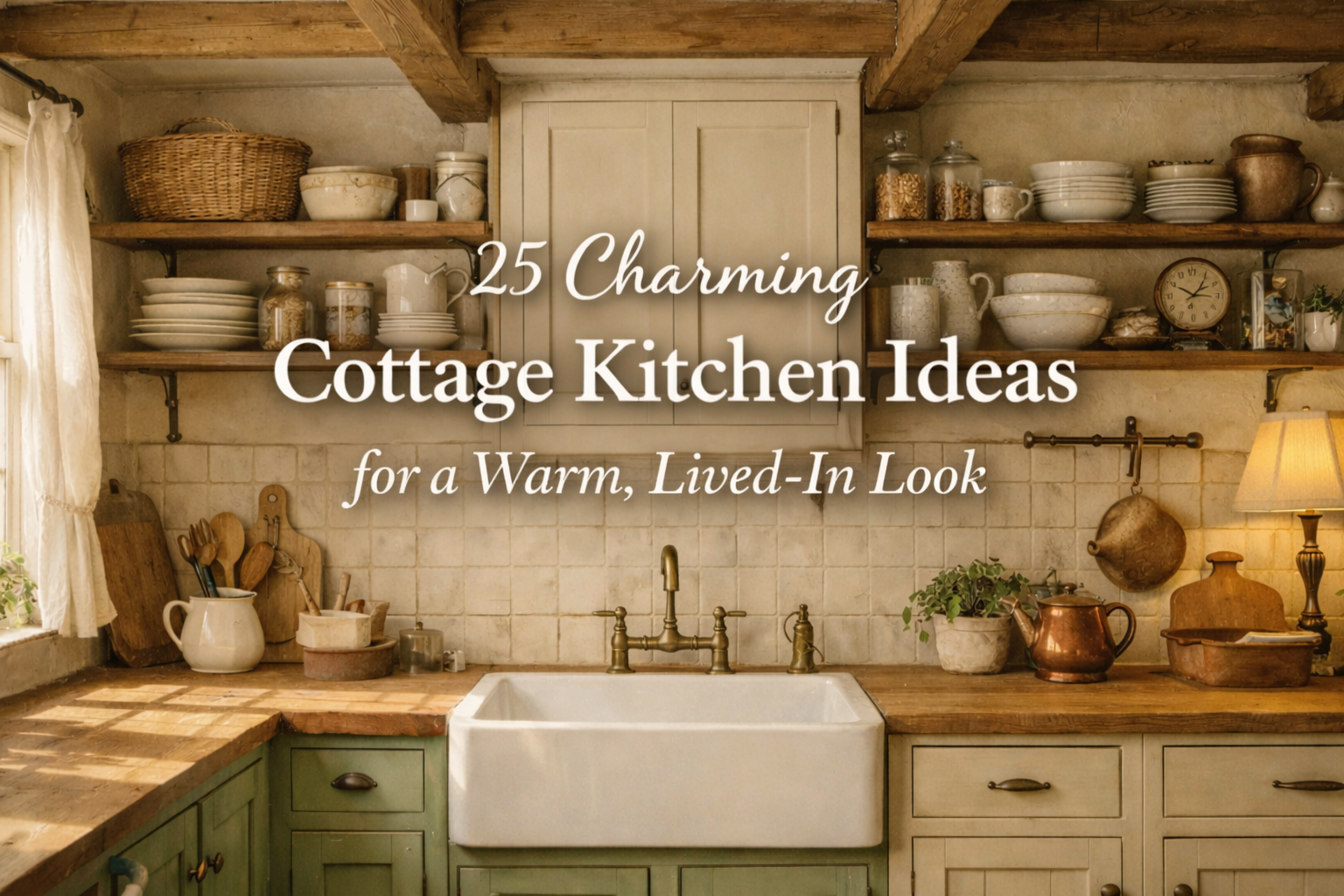
  • 25 Charming Cottage Kitchen Ideas for a Warm, Lived-In Look

    25 Charming Cottage Kitchen Ideas for a Warm, Lived-In Look

    A cottage kitchen is not about perfection or polish. It is about warmth, character, and a space that feels gently lived in. The most loved cottage kitchens on Pinterest feel cozy, welcoming, and full of small details that tell a story.

    If you are dreaming of a kitchen that feels charming, relaxed, and storybook-inspired, these 25 cottage kitchen ideas highlight the features that bring that feeling to life, from cabinetry and materials to lighting, storage, and everyday styling.


    1. Soft Painted Cabinets in Cozy Neutrals

    Creamy whites, warm ivories, sage greens, and muted blues show up again and again in cottage kitchens. These softer shades keep the space light while still feeling warm and inviting.

    2. Wood Countertops for Natural Warmth

    Butcher block or aged wood countertops add instant cottage charm. They bring in warmth and texture and make the kitchen feel comfortable and well-used.

    3. Open Shelving with Everyday Dishes

    Open shelves filled with plates, bowls, mugs, and jars are a classic cottage kitchen detail. The goal is usefulness. Everything should feel easy to reach and genuinely used.

    4. Farmhouse or Apron-Front Sinks

    A deep farmhouse sink is one of the most recognizable cottage kitchen features. It adds charm while still being practical for daily life.

    5. Beadboard or Shiplap Walls

    Beadboard and shiplap add texture without overwhelming the room. They are often used behind sinks or along entire walls to soften the space.

    6. Exposed Wood Beams

    Exposed beams, whether original or added later, bring warmth and a slightly rustic feel that works beautifully in cottage kitchens.

    7. Vintage-Inspired Cabinet Hardware

    Simple knobs and cup pulls in brass, bronze, or black help complete the look. Cottage kitchens usually avoid anything overly modern or sleek.

    8. Glass-Front Cabinets for Display

    Glass-front cabinets are perfect for showing off dishes, glassware, or baking pieces while still keeping everything tidy.

    9. Warm, Natural Lighting

    Natural light plays a big role in cottage kitchens. Simple window treatments or uncovered windows help keep the space bright and airy.

    10. A Mix of Textures Instead of Matching Sets

    Cottage kitchens feel collected over time. Mixing wood tones, ceramics, baskets, and metals adds depth without feeling cluttered.

    11. Brick or Stone Backsplashes

    Brick and softly textured stone backsplashes add a cozy, old-world feel and are often used as a focal point behind the stove or sink.

    12. Freestanding Furniture Pieces

    Hutches, islands, or sideboards that look like furniture help the kitchen feel relaxed and homey rather than built-in and formal.

    13. Warm, Earthy Color Palettes

    Soft greens, warm browns, faded blues, and gentle creams help create that storybook cottage feeling.

    14. Simple, Practical Islands

    Cottage kitchen islands are usually smaller and focused on function, often topped with wood and used for baking or prep work.

    15. Decorative but Useful Accessories

    Wood cutting boards, ceramic crocks, glass jars, and copper cookware work as both storage and decoration.

    16. Woven Baskets for Storage

    Baskets add texture and are an easy way to store linens, produce, or kitchen essentials while keeping everything within reach.

    17. Soft Window Treatments

    Floral, gingham, or neutral fabric curtains soften the room and add to the cozy cottage atmosphere.

    18. Antique or Vintage Accents

    Small vintage finds like old scales, enamelware, or thrifted pieces add personality and help the kitchen feel lived in.

    19. Subtle Patterned Floors or Rugs

    Patterned tile or woven runners bring in warmth and visual interest without overpowering the space.

    20. Range Hoods with Character

    Wood, plaster, or custom-style range hoods often become a charming focal point in cottage kitchens.

    21. Gently Worn Finishes

    Lightly worn finishes feel welcoming and relaxed. Cottage kitchens do not need to look brand new to feel beautiful.

    22. Plants and Fresh Greenery

    Potted herbs, trailing plants, or simple floral arrangements bring life and freshness into the kitchen.

    23. A Balance of Open and Closed Storage

    Too much open shelving can feel busy. The coziest cottage kitchens balance shelves with closed cabinets.

    24. Cozy Breakfast Nooks

    A small table or built-in nook makes the kitchen feel like the heart of the home and encourages slow mornings.

    25. A Comfortable, Unrushed Feeling

    Above all, cottage kitchens feel calm and welcoming. Nothing looks forced or overly styled. Everything feels easy and loved.

  • 15 Charming Cottage Bedroom Ideas for a Cozy Storybook Look

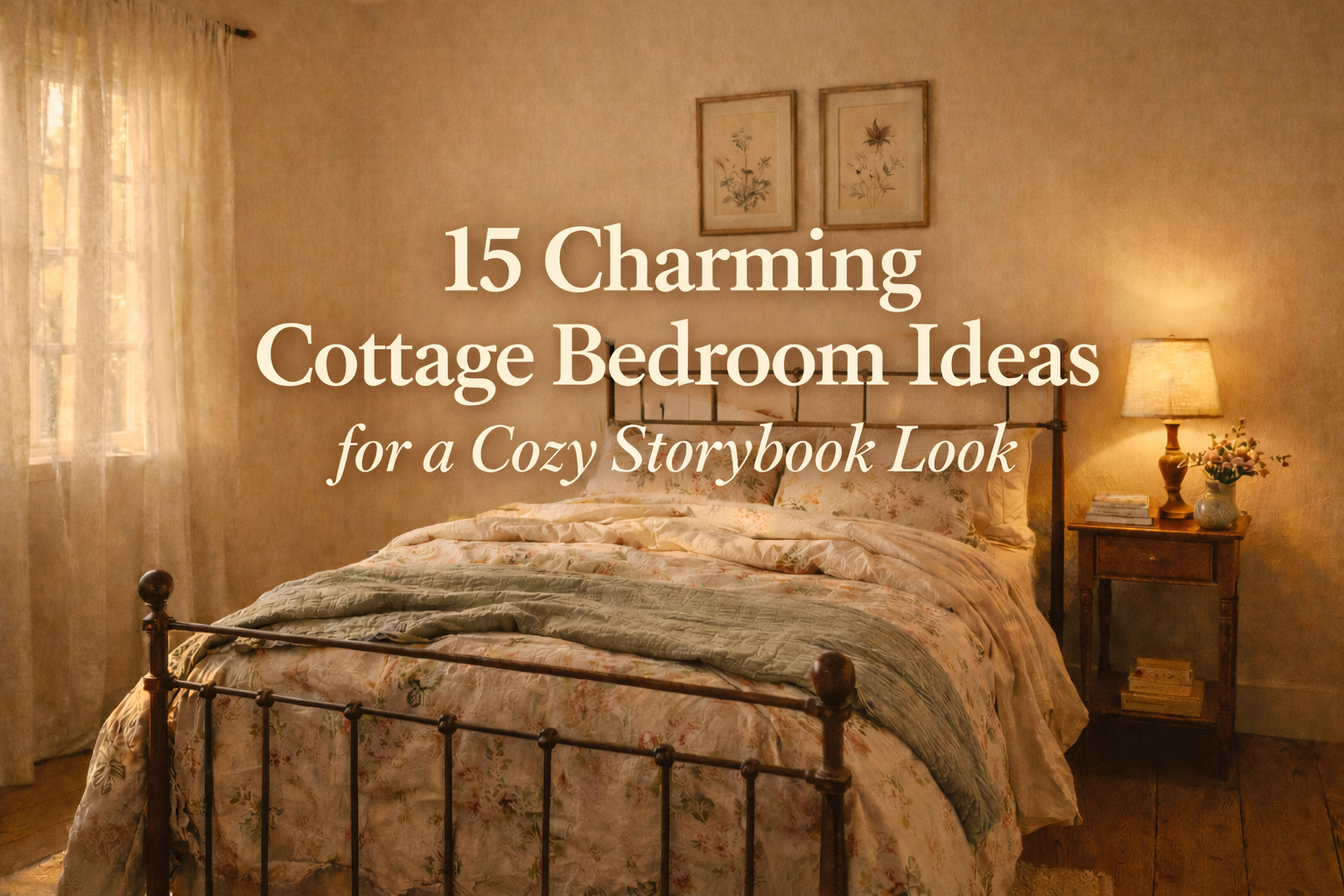
    15 Charming Cottage Bedroom Ideas for a Cozy Storybook Look

    A storybook cottage bedroom does not feel styled for photos. It feels lived in, layered, and softly romantic, like a room you might stumble across in an old countryside novel.

    This look is built on florals, warm wood, antique shapes, gentle light, and a sense that everything has been collected slowly over time. Nothing is too perfect. Nothing is too new. That is exactly the point.

    If you are drawn to cozy, charming bedrooms with an old-world, English cottage feel, these cottage bedroom ideas will help you recreate that storybook magic at home.

    1. Floral Bedding That Feels Soft and Nostalgic

    Floral bedding is one of the clearest signals of storybook cottage style. Look for small-scale prints in muted tones rather than bold or high-contrast patterns. Slightly faded florals feel more authentic and romantic.

    Layer a floral quilt or duvet with solid or lightly textured sheets so the bed still feels calm and inviting.

    2. Iron or Antique-Style Bed Frames

    Cottage bedrooms often center around beds with character. Iron bed frames, brass finishes, or gently curved wooden headboards instantly set the tone.

    These styles feel delicate and old-fashioned without being fussy, especially when paired with soft bedding and layered textiles.

    3. Layered Quilts, Coverlets, and Throws

    A storybook bed never looks flat. Layering is key.

    Start with a quilt or coverlet, add a folded throw at the foot of the bed, and mix in different textures like linen, cotton, or knit. Slightly rumpled bedding actually adds to the charm since perfection is not the goal.

    4. Soft, Warm Neutral Walls

    Most cottage bedrooms lean toward warm whites, creams, and pale beige tones rather than stark or cool whites.

    These shades reflect light gently and create a cozy backdrop for florals, artwork, and wood furniture without feeling cold or modern.

    5. Vintage Style Nightstands and Wooden Dressers

    Matching furniture sets are not necessary and often work against the storybook look.

    Instead, choose wooden nightstands or dressers with visible grain, soft wear, or antique-inspired details. Small differences between pieces make the room feel collected rather than curated.

    6. Floral or Botanical Wallpaper Accents

    Wallpaper plays a big role in storybook cottage bedrooms, especially floral or botanical prints.

    Whether you cover an entire room or just one wall, look for patterns that feel classic and gentle. Soft pinks, greens, creams, and blues fit naturally into this style.

    7. Soft Window Treatments That Let Light In

    Natural light is essential for this look. Sheer curtains, linen panels, or lightly textured fabrics allow sunlight to filter in without harsh contrast.

    Avoid heavy or structured window treatments. Storybook cottages feel airy and relaxed, not formal.

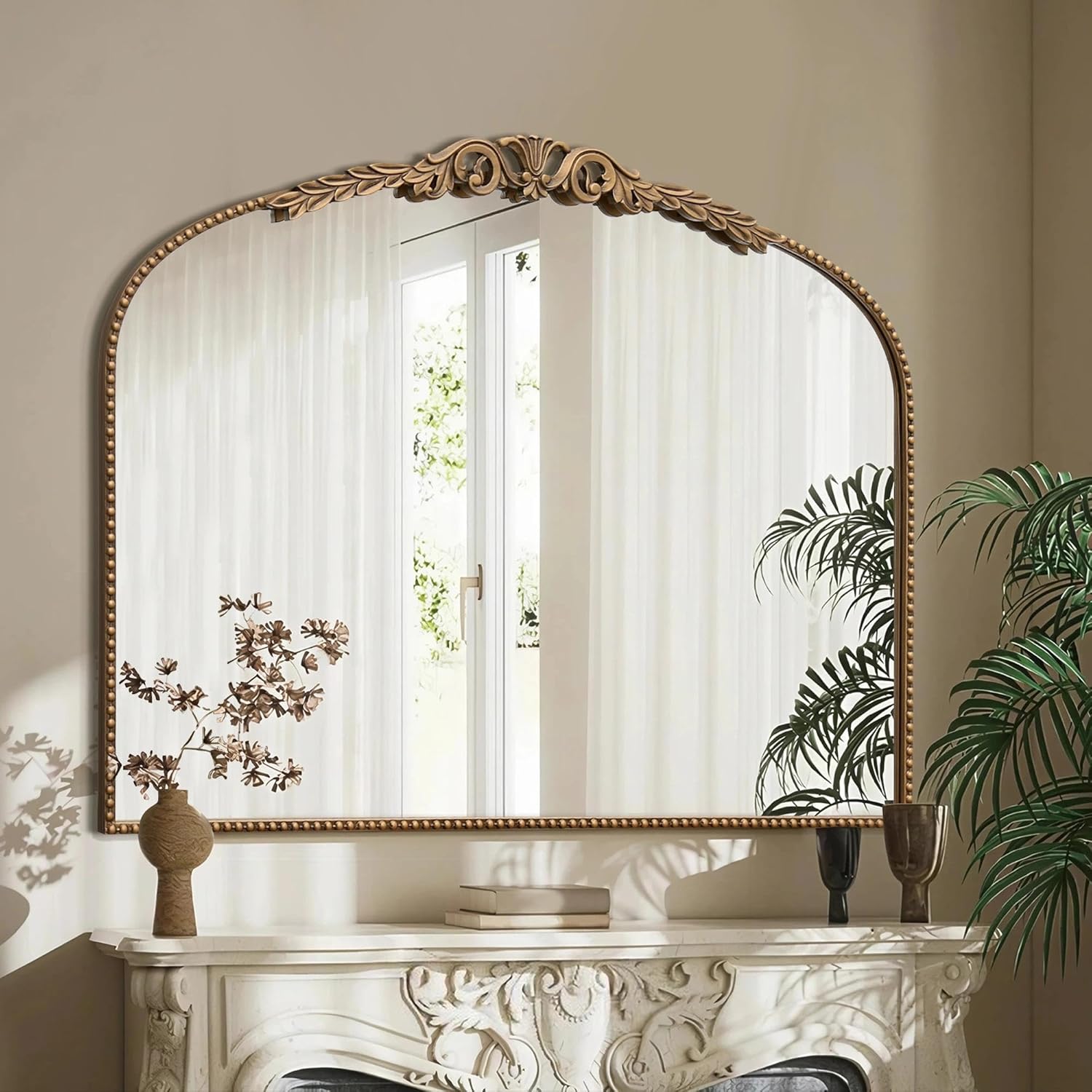
    8. Antique Mirrors for Light and Charm

    An antique or vintage-style mirror adds character while helping reflect light around the room.

    Oval shapes, ornate frames, or slightly aged finishes work especially well in cottage bedrooms and feel right at home among florals and wood furniture.

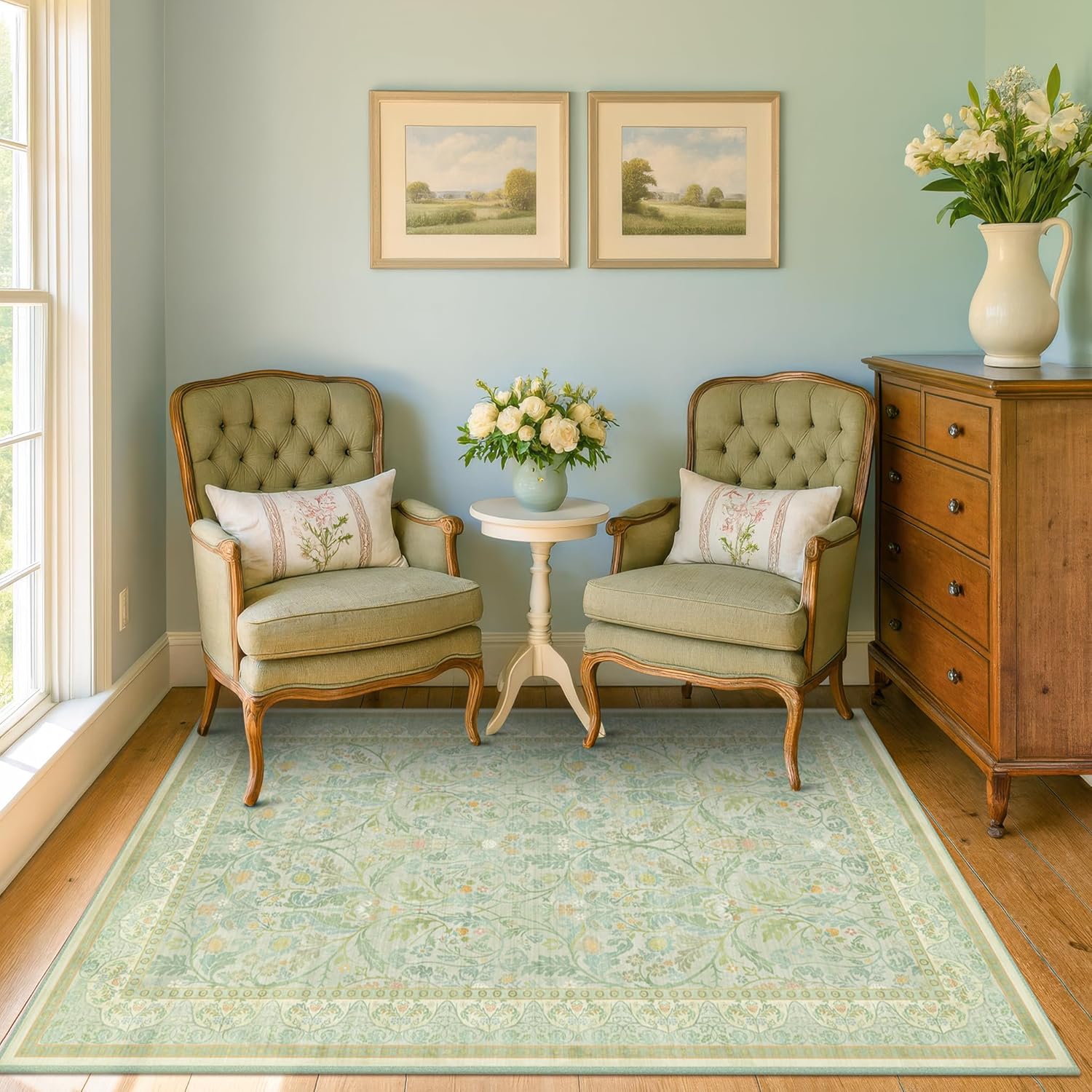
    9. Cozy Area Rugs Underfoot

    Layering rugs under the bed or throughout the room makes the space feel warmer and more inviting.

    Vintage-style rugs, faded patterns, or natural fiber rugs all work well. The goal is softness and texture rather than bold color.

    10. Bedside Lamps with Fabric Shades

    Lighting should always feel warm and gentle. Bedside lamps with fabric shades create a soft glow that enhances the cozy atmosphere.

    Avoid exposed bulbs or harsh lighting. Storybook bedrooms are meant to feel calm, especially in the evening.

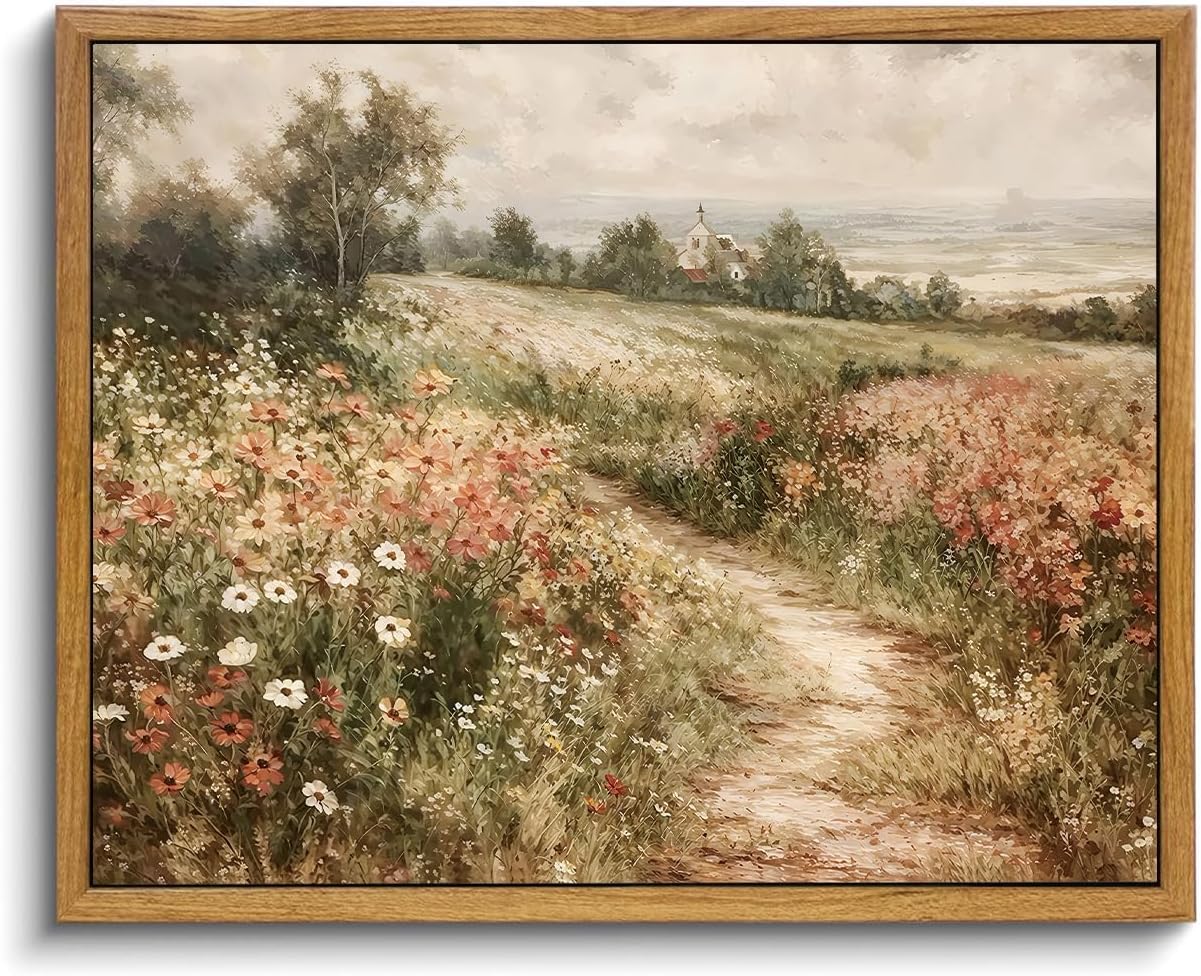
    11. Lightly Collected Wall Art

    Gallery walls made of botanical prints, small landscapes, or vintage illustrations are common in cottage bedrooms.

    Keep frames simple and slightly mismatched. The arrangement should feel organic, as if pieces were added over time.

    12. Natural Materials Throughout the Room

    Wood, linen, wicker, ceramic, and cotton appear again and again in storybook cottage bedrooms.

    These materials add warmth and texture while reinforcing the lived-in, countryside feel that defines this style.

    13. Soft Accent Colors Inspired by Nature

    While neutrals set the base, gentle accent colors bring the room to life.

    Sage green, dusty blue, soft blush, and muted lavender work beautifully in cottage bedrooms, especially when used in bedding, pillows, or artwork.

    14. Open Shelving with Personal Touches

    Open shelves styled with books, small vases, framed prints, or baskets add charm without overwhelming the space.

    Keep decor minimal and meaningful. Storybook style is personal, not cluttered.

    15. A Slightly Imperfect, Lived-In Feel

    The most important element of a storybook cottage bedroom is that it does not feel overly styled.

    Wrinkled linen, layered patterns, and a bit of visual softness make the room feel warm and welcoming. If everything looks too perfect, the charm disappears.

    Final Thought

    A cozy storybook cottage bedroom is not about trends or rules. It is about creating a space that feels gentle, romantic, and comforting. When you focus on layers, florals, warm materials, and personal details, the room naturally becomes the kind of space people are searching for.

  • 15 Dopamine Decor Ideas That Feel Joyful, Not Overwhelming

    15 Dopamine Decor Ideas That Feel Joyful, Not Overwhelming

    Dopamine decor is about creating spaces that feel joyful, comforting, and energizing to live in. The rooms that work best are colorful and expressive, but they are not chaotic. They feel intentional, cohesive, and personal.

    What makes dopamine decor successful isn’t using more color.
    It’s using color thoughtfully.

    The Dopamine Decor Color Rule (A Helpful Guide, Not a Law)

    Most dopamine decor rooms use roughly three to five colors, often within the same color family, and repeat them throughout the space.

    Common combinations include:
    Pink, coral, cream, and soft red
    Teal, turquoise, mustard, and warm wood
    Pastel pink, mint, lavender, and white
    Peach, butter yellow, sage, and light oak

    Pastels tend to allow for more flexibility because they blend naturally. Brighter palettes usually stay a bit tighter. This is not a strict rule, but a guide that helps bold color feel cohesive instead of overwhelming.

    1. Use Rugs to Introduce Two or Three Colors, Not the Whole Palette


    A rug does not need to contain every color in your room. In many dopamine decor spaces, the rug introduces just two or three key colors. Those colors are then repeated in pillows, art, furniture, or accessories elsewhere. The rug starts the color story, it doesn’t have to finish it.

    2. Keep Your Sofa and Change the Surroundings


    Replacing furniture is not always realistic. Many dopamine decor rooms keep neutral sofas and transform them with color around and on top of them. Slipcovers in palette colors, textured throws, and bold pillows can visually pull an existing sofa into the color plan without replacing it. The surrounding decor often does more work than the furniture itself.

    3. Build Color Through Art Instead of Paint


    Colorful walls are common, but paint is not required. Art often carries the color load in dopamine decor spaces. Gallery walls repeat the same few colors across prints, frames, and mats, creating visual impact without permanent changes. This approach works especially well in rentals.

    4. Repeat Colors Across Different Textures


    Repeating a color in multiple materials keeps a room from feeling flat. The same shade might appear in velvet upholstery, ceramic decor, painted wood, and soft textiles. Texture variation adds depth while color repetition maintains cohesion.

    5. Use Warm, Ambient Lighting Instead of Overhead Lights


    Lighting in dopamine decor spaces is warm and soft rather than flashy. Harsh overhead lighting is often avoided. Instead, rooms rely on table lamps, floor lamps, and sculptural lamps that create an ambient glow. Amber-toned bulbs are common, adding warmth without overpowering the space. Sculptural lamps, including lotus-style lamps, appear frequently because they combine warmth, texture, and visual interest.

    6. Let Mirrors Add Color and Shape


    Mirrors are often part of the decor rather than disappearing into the background. Wavy silhouettes, scalloped edges, and colorful frames add shape and reinforce the palette while reflecting light around the room.

    7. Mix Patterns That Share a Color Family


    Pattern mixing is common in dopamine decor, but it works because the colors stay related. Stripes, florals, checks, and abstract prints can coexist when they pull from the same palette or color family. Pastel-based rooms often stretch this further because the tones blend naturally.

    8. Use Decor Objects to Reinforce Color


    Smaller decor pieces quietly repeat the palette throughout the room. Vases, trays, books, planters, and sculptural objects are chosen for how well they echo existing colors rather than introducing new ones. This repetition builds cohesion without clutter.

    9. Painted Furniture Is Optional, Not Required


    Painted cabinets and furniture appear often, but they are not mandatory. Similar impact can be achieved with removable elements such as shelf liners, peel-and-stick wallpaper on furniture backs, or decor grouped by color. Commitment is optional, cohesion is not.

    10. Start With One Small Space


    Dopamine decor does not need to take over an entire home. Many people start with a smaller area, such as a reading nook, hallway bathroom, or bedroom corner. Smaller spaces make it easier to experiment with color and decide whether the style feels right before expanding further.

    11. Let Neutrals Support the Color


    Neutrals play a supporting role, not an opposing one. Creams, whites, light wood tones, and soft grays appear frequently, especially in rentals. They provide breathing room and allow brighter colors to stand out without overwhelming the space.

    12. Repeat One Color More Than the Others


    Even in rooms with several colors, one shade usually appears most often. This might be pink, teal, yellow, or another palette color. Repeating one color across furniture, art, and decor gives the eye a consistent anchor and helps the space feel balanced.

    13. Edit Before Adding More


    Successful dopamine decor rooms are edited, not crowded. If an item does not fit the color family or overall mood, it is often removed rather than worked around. Editing keeps bold spaces feeling intentional instead of overwhelming.

    14. Keep Whimsical Pieces Inside the Color Plan


    Playful decor elements feel elevated when they stay within the established palette. Sculptural objects and novelty accents work best when they reinforce the color story rather than competing with it.

    15. Let the Space Settle Before Changing It


    Once colors repeat naturally and the room feels balanced, it helps to pause and live with the space. Dopamine decor is about long term enjoyment, not constant adjustment. A room that feels good day after day is doing its job.